
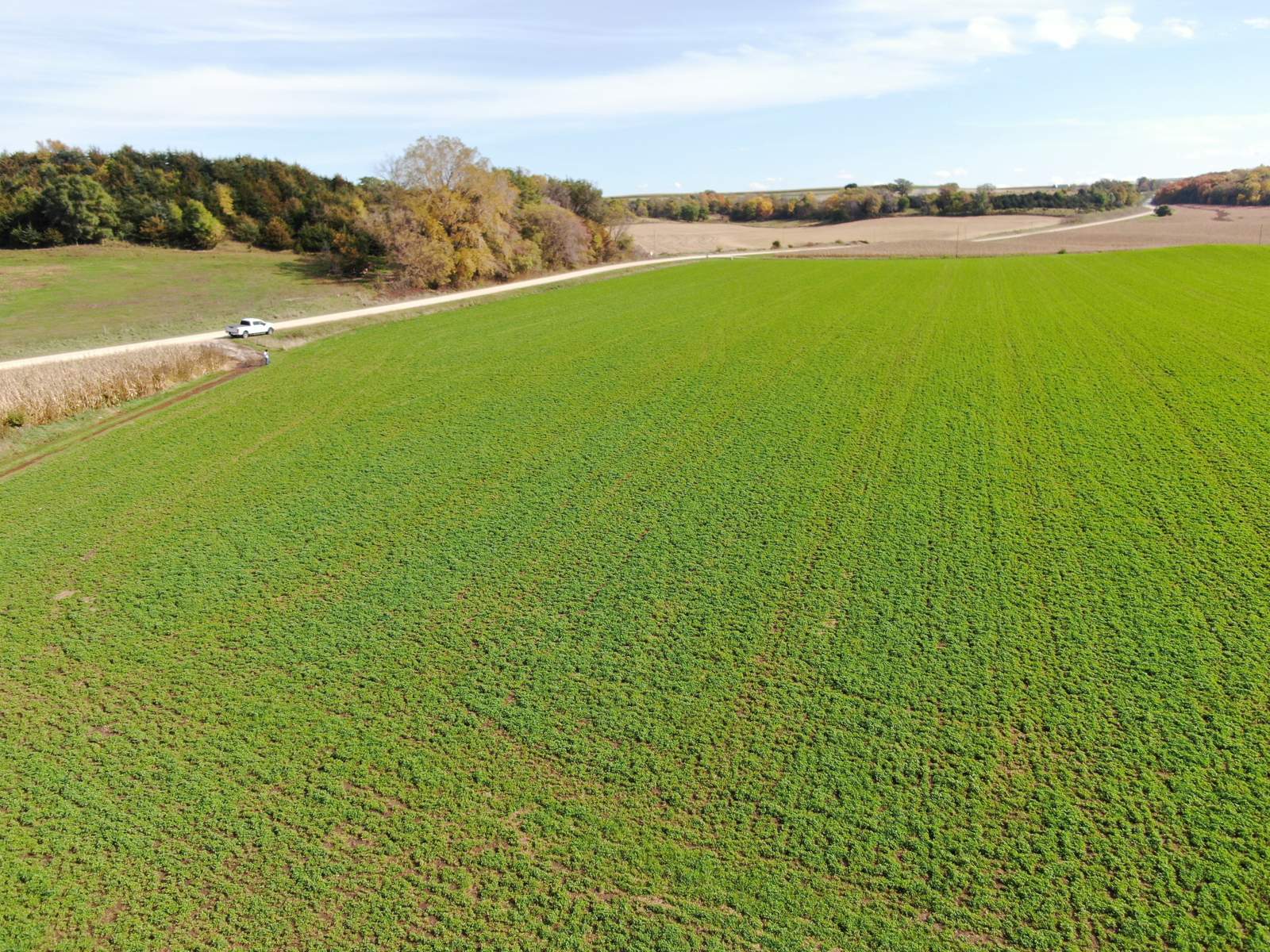
A good farm lease is one of the best things you can do for your land and your relationship with your renter. When everyone knows what's expected, the land stays productive and the conversation stays friendly. We help landowners across southeast Minnesota, from the Rochester area and Mayo Clinic country to the surrounding farm towns.
I help landowners with leases all the time, and the same questions come up again and again. Here's my plain-spoken checklist of what to think about and what to ask for.
The short answer: Put your farm lease in writing. Choose cash rent, crop share or a flexible lease, and spell out the rent due dates, fertility and lime care, tile and conservation practices, hunting rights, soil test sharing, your right to inspect, and how and when either side can end the lease.
Key takeaways
- In Minnesota, a lease longer than one year must be in writing to be enforceable (Minn. Stat. § 513.05).
- Without a written lease, a year-to-year farm tenancy generally takes written notice to end. Under Minn. Stat. § 504B.135 that notice must be as long as the rent interval or three months, whichever is less.
- Flexible leases, such as a base rent plus a bonus, share the good years and the tough ones. More than 20% of Minnesota cash leases are flexible, according to University of Minnesota Extension.
- Fertility, lime, tile, hunting and inspection rights are all easier to agree on before the season starts.
Why does a written farm lease matter?
A handshake lease can work for years, until a landowner passes away, a farm sells or someone remembers things differently. A written lease protects both sides and makes a sale or estate transfer much smoother.
Minnesota law backs this up: a lease for longer than one year is void unless it's in writing and signed (Minn. Stat. § 513.05). Free sample cash, crop-share and pasture leases are available in the Ag Lease 101 document library, written by the North Central Farm Management Extension Committee.
Cash rent, crop share or flexible: which is right for you?
Cash rent
You get a set payment and your renter makes the crop decisions. It's simple and predictable. To see what land rents for in your county, start with UMN Extension's farmland rent page, which links county rental rate data and landowner cash rent worksheets.
Crop share
You share the crop and some of the expenses, based on what each side contributes. You share more of the risk and the upside, and you're more involved. The University of Minnesota's crop-share guide (NCR-105) walks through how to set the shares.
Flexible leases and bonus leases
A flexible lease adjusts the rent as yields or prices change. One common version is a base rent plus a bonus when yields or revenue beat a set goal. University of Minnesota Extension notes that when a lease is a base cash rent with a bonus, FSA treats it as a cash lease, so government payments go to the tenant. The free FairRent tool from UMN lets you compare cash, share and flexible options side by side.
Pro tip: If you and your renter can't agree on a number, a base-plus-bonus lease is a great middle ground. You both win in a good year.
How do you end or change a farm lease in Minnesota?
If your written lease says how and when to give notice, follow it. Many farm leases set their own deadline, and September 1 is a common choice because it falls before fall field work. That date comes from the lease itself, not from a Minnesota statute.
If there's no written lease, a year-to-year tenancy is generally ended by written notice. Under Minn. Stat. § 504B.135, the notice must be at least as long as the interval between rent payments, or three months, whichever is less. Talk with your attorney about the timing for your situation.
What should you ask for in your farm lease?
- Rent amount and payment timing. Write down the exact due dates and how payment is made. Agree on a schedule that works for both of you.
- Fertility maintenance (P and K). Iowa State's Improving Your Farm Lease Contract recommends regular soil testing so you know whether nutrients are being kept up. It also cautions that adding phosphorus and potassium when levels already test high wastes money and adds to runoff.
- Lime. Lime lasts several years. The same guide suggests the landlord and tenant agree on who pays, often prorating the cost over three to five years, with a partial refund to a tenant who leaves early.
- Soil test sharing. Ask for copies of soil tests, and agree on how often to test and who pays. A baseline test at the start makes the end of the lease simple.
- Tile and drainage. Spell out who can install or repair tile, who pays, and how the cost is handled if the lease ends. Ask for a copy of any tile map.
- Conservation practices. Note any waterways, buffers, terraces, cover crops or tillage practices you want kept in place.
- Hunting rights. Decide whether the renter, you or someone else can hunt, and put it in writing. Ag Decision Maker's Legal Considerations for Hunting Leases covers who may hunt, dates and liability.
- Right to inspect. Include your right to enter the farm for inspections and soil sampling with reasonable notice. Without it, Ag Decision Maker's leasing glossary notes, a tenant may treat anyone on the property as a trespasser.
- Records. Ask for FSA acreage reports and yield records so you know how your farm performs.
- Termination and renewal. State the lease term, whether it renews automatically, and the notice deadline either side must meet.
"No farm is created equal. A high CPI doesn't automatically mean a farm yields well. That's why I keep good records on tile, yields and fertility, both when I lease and when I list a farm."
— Jen Busch
If you're a landowner
Treat your lease like a business agreement with someone you want to keep for years. Clear terms make it easy to say yes to a good renter, and they help a lot if you ever decide to sell.
If you're a renter
A detailed lease protects you too. It shows the landowner you care for the land, and it documents the tile, lime and fertility work you've put in.
The bottom line
The best farm leases are written, specific and fair to both sides. Choose the rent type that fits you, spell out fertility, tile, conservation, hunting and inspection, and agree on how the lease ends before anyone needs to know.
Have questions about leasing or selling your farm?
I'd be glad to review your lease with you or talk about what your farm is worth. Request your free farmland valuation or call or text me at (507) 923-7657. You can also browse our current farm and land listings.
Frequently Asked Questions About Minnesota Farm Leases
Does a Minnesota farm lease have to be in writing?
A lease for longer than one year must be in writing and signed to be enforceable under Minn. Stat. § 513.05. Even a one-year lease is better in writing.
Is September 1 the legal deadline to end a farm lease in Minnesota?
Not by statute. September 1 is a common deadline written into many leases, so check yours. Without a written lease, Minn. Stat. § 504B.135 generally requires written notice as long as the rent interval or three months, whichever is less.
What is a flexible or bonus farm lease?
It's a cash lease where rent adjusts with yields, prices or revenue, often a base rent plus a bonus in good years. UMN Extension reports that more than 20% of Minnesota cash leases are flexible.
Who pays for lime on rented farmland?
It's negotiable. Iowa State's Ag Decision Maker suggests the landlord and tenant agree up front, often prorating the cost over three to five years, with a partial refund if the tenant leaves early.
Can I keep the hunting rights on land I rent out?
Yes, if your lease says so. Spell out who may hunt, when, and how liability is handled.
United Country Real Estate | Midwest Home & Farm Realty. This article is general information, not legal or tax advice. Lease laws and market conditions change, so talk with an attorney about your own lease. Equal Housing Opportunity.